



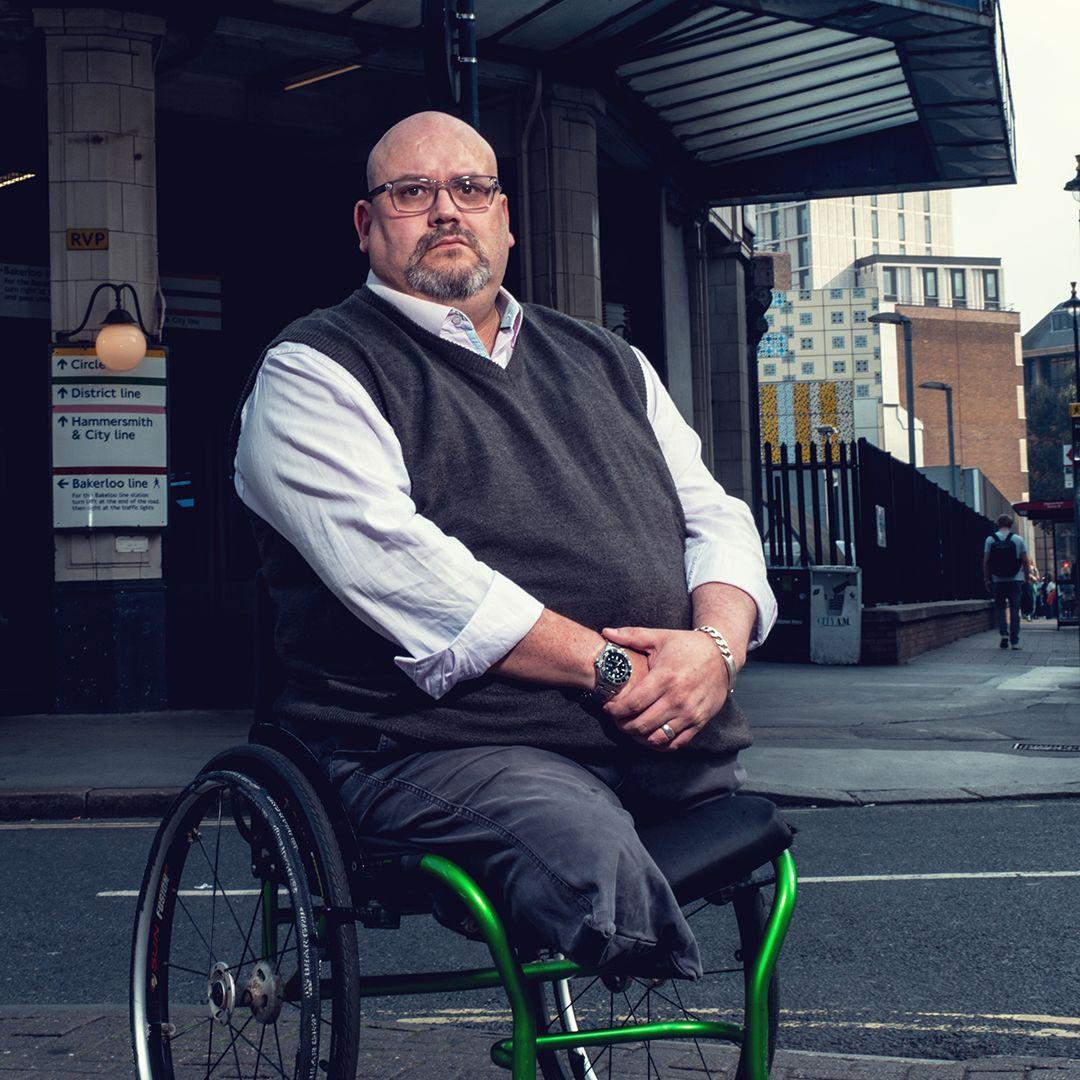
Two decades have passed since the 2005 London attacks, but the face of the lead suicide bomber, Mohammad Sidique Khan, has never left Dan Biddle's memory.
It feels as real today as the day they looked into each other's eyes.
"I can be in the kitchen and he is standing in the garden," says Dan, who has complex post-traumatic stress disorder.
He's there, dressed as he was on that day, holding the rucksack, just with his hand above it, about to detonate it again.
Even if Dan looks away, the bomber is still there when he looks back.
"I saw this guy literally disassemble himself in front of me, and now I'm seeing him again."
Warning: This article contains details some readers may find distressing
- 7 July London bombings: What happened that day?
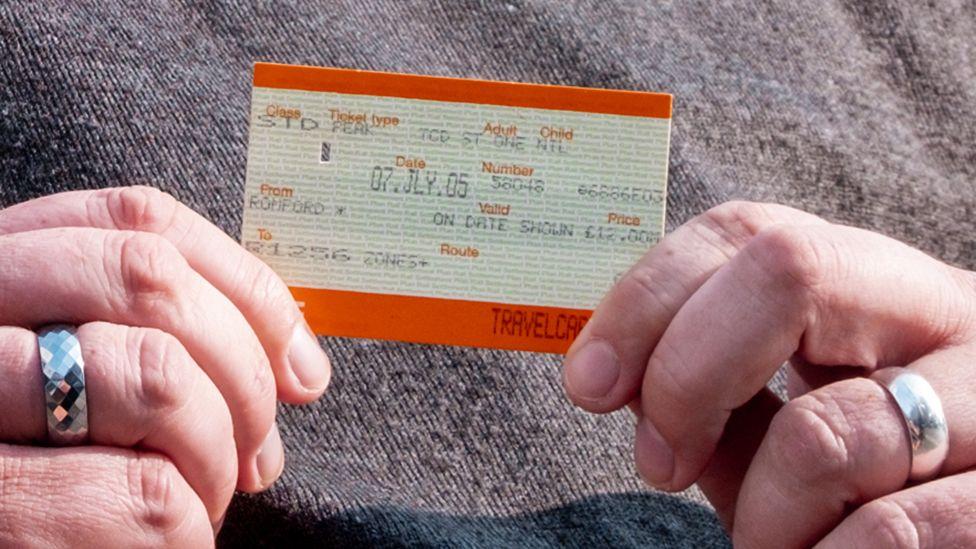
Dan was in close proximity to Khan, on a rush-hour London Underground Circle line train on 7 July 2005. How he survived is almost beyond rational explanation.
As we pulled out of Edgware Road station, I could feel somebody staring at me. I was just about to turn around and say, 'What are you looking at?', when I saw him put his hand in the bag.
And then there was just a brilliant white, bright flash—heat like I've never experienced before.
Khan had detonated a homemade bomb—made using an al-Qaeda-devised chemical recipe—that he was carrying in his rucksack.
The device killed David Foulkes, 22, Jennifer Nicholson, 24, Laura Webb, 29, Jonathan Downey, 34, Colin Morley and Michael Brewster, both 52.
In total, 52 people were killed that day , caused by four bombs detonated by Islamist extremists. Another 770 were injured.
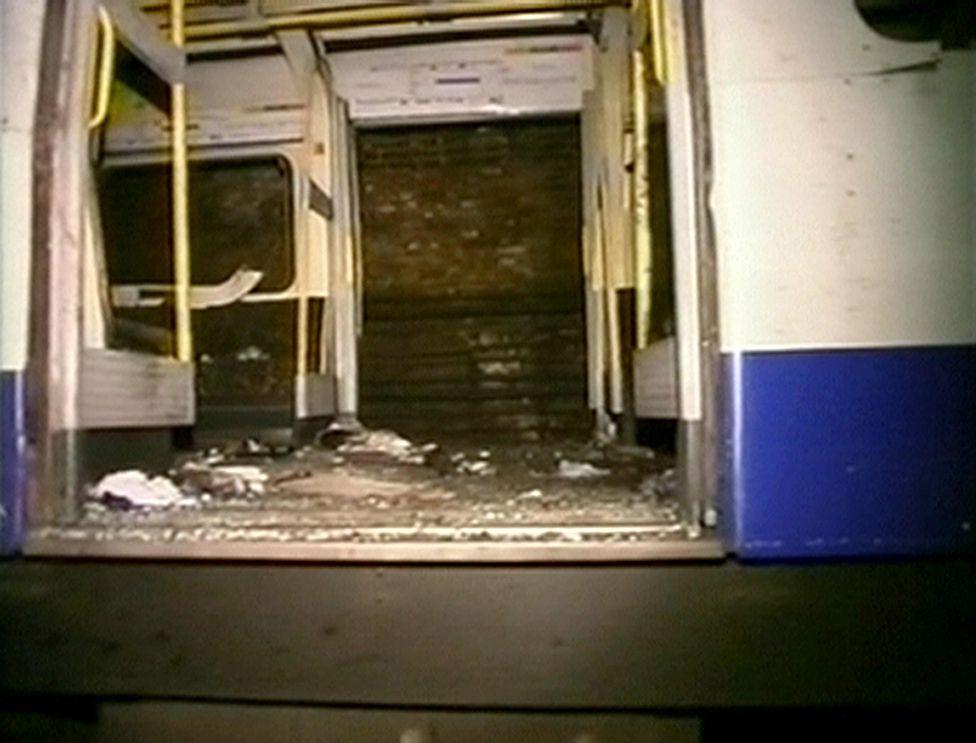
Dan was blown out of the train, hit the tunnel wall, and fell into the crawl space between the tunnel wall and the track.
His injuries were catastrophic. His left leg was blown off. His right leg was severed from the knee down. He suffered second and third-degree burns to his arms, hands, and face. He lost his left eye—and his hearing on that side too.
He suffered a massive laceration to his forehead. A pole from the tube train's internal fittings penetrated his body, causing punctures and ruptures to his kidneys, lungs, colon, and bowel. He later lost his spleen.
Dan was the most severely injured victim of the attacks to survive. And he was conscious throughout.
He initially thought the white flash was an electrical explosion.
Debris had fallen onto him, and his arms and hands were on fire. He could see the flames flickering.
Right after the explosion, you could have heard a pin drop. It was almost as if everybody had just taken a big breath," Dan says, "and then it was like opening the gates of hell. Screaming like I've never heard before.
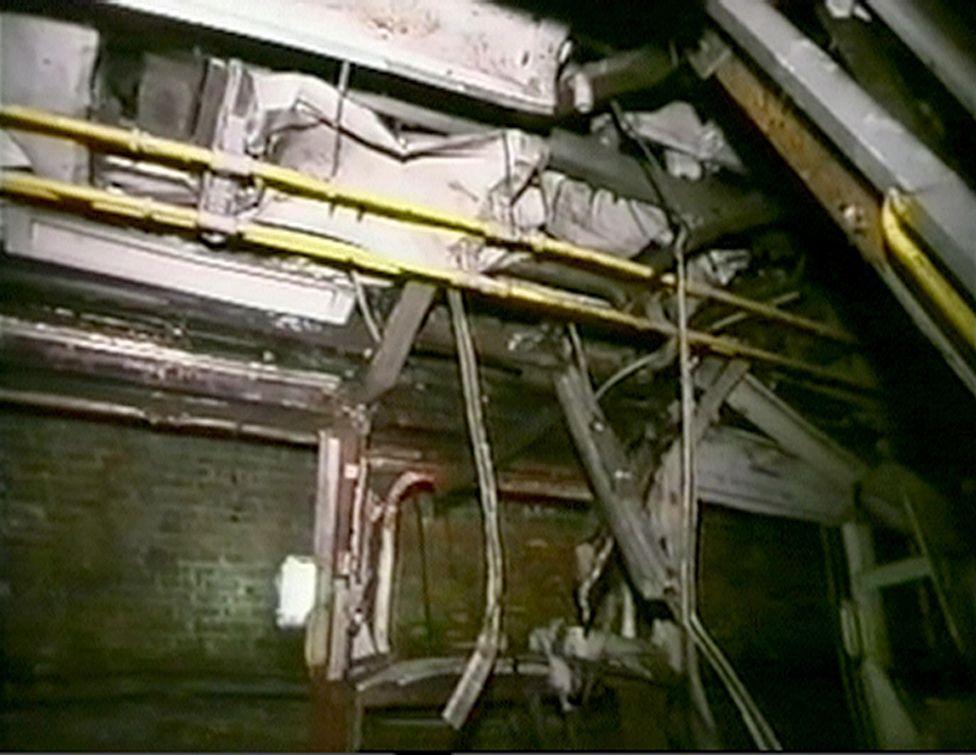
Dan could see some of the dead. He tried to push down to lever himself up from the debris. He realised how profusely he was bleeding.
"The initial feeling was one of total disbelief. It was like, surely God, this is just a nightmare."
Dan's mind immediately turned to his father, and how he couldn't bear for him to witness this.
My dad cannot be the person that walks into a mortuary and says, 'Yeah, that's my son'," Dan says. "I couldn't bear the thought of that.
He didn't believe he would get out of the tunnel. But the will to survive instinctively kicked in and he screamed for help.
The first person to respond was fellow passenger Adrian Heili, who had served as a combat medic during the Kosovo war. If it had been anyone else, Dan believes he would have died.
The first thing he said to me was, 'Don't worry, I've been in this situation before, and never lost anyone.'
And I'm thinking, 'How can you have gone through this before?'
"And then he said to me: 'I'm not going to lie to you. This is really going to hurt.'"
Adrian applied a tourniquet and clamped the artery in Dan's thigh to prevent him from bleeding to death. Dan's life was literally in Adrian's hands until paramedics arrived approximately half an hour later.
Adrian helped many more in the hours that followed—and in 2009 received the Queen's Commendation for Bravery.
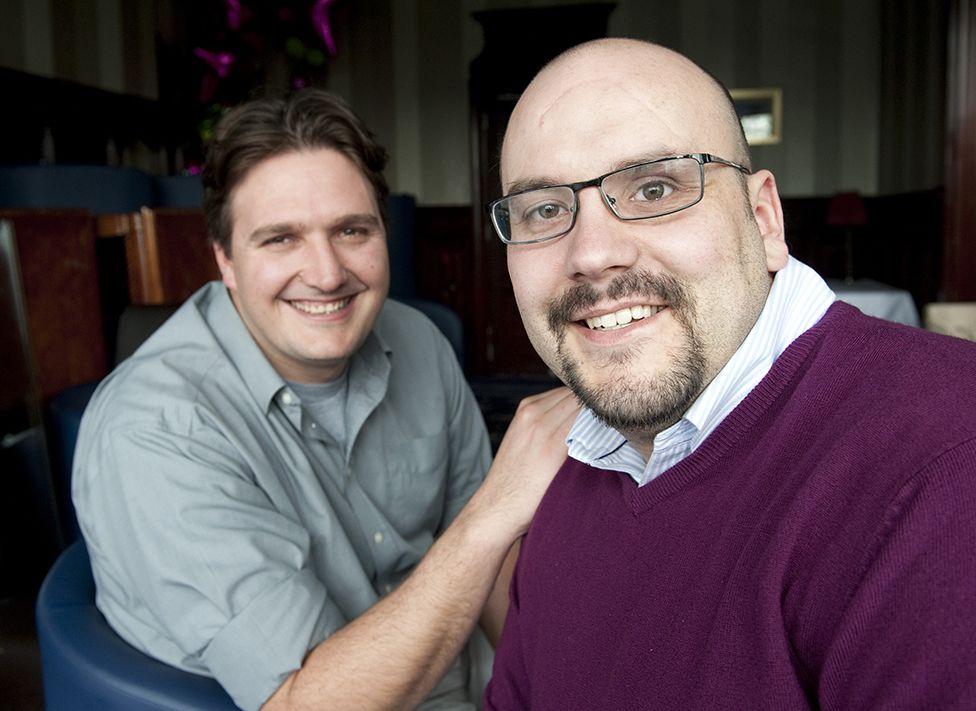
Dan's trauma was far from over. He was taken to nearby St Mary's Hospital where he repeatedly went into cardiac arrest. At one point, a surgeon had to manually massage his heart to bring him back to life. He was given 87 units of blood.
I think there's something in all of us - that fundamental desire to live.
Very few people ever get pushed to the degree where that's required.
"My survival is down to Adrian and the phenomenal care and just brilliance of the NHS and my wife."
Physical survival was one thing. But the toll on Dan's mental health was another.
After eight weeks in an induced coma, Dan began a year-long journey toward leaving the hospital—and he realized he would have to navigate the world outside differently.
His nights became consumed with mental torture.
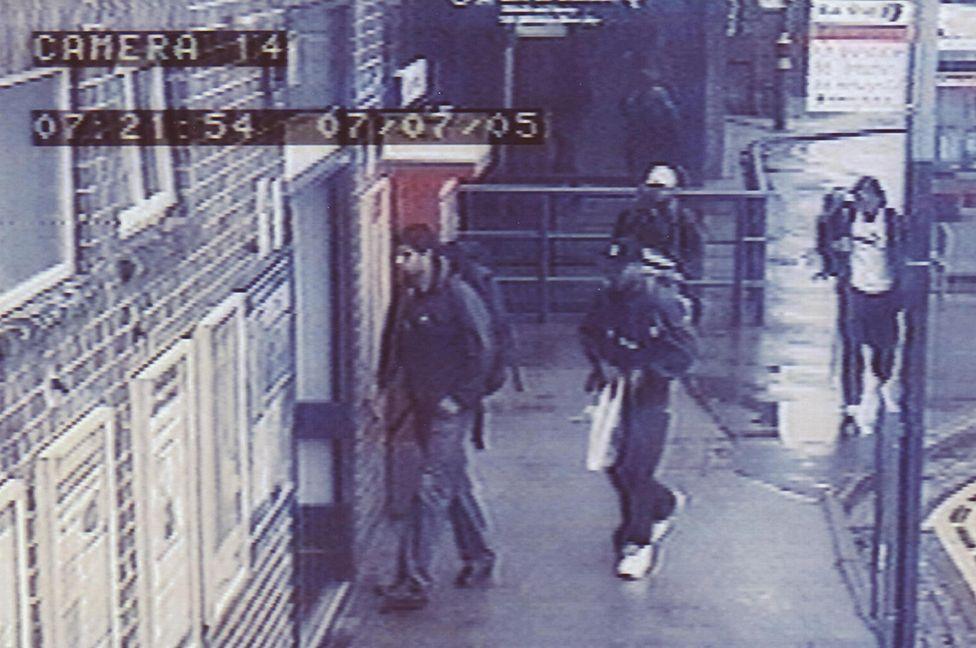
He dreaded having to close his eyes and go to sleep because he would find himself back in the tunnel.
I wake up and [the bomber] is standing next to me," Dan says. "I'll be driving—he's in the back seat of my car. I'll look in the shop window and there's a reflection of him—on the other side of the street.
Those flashbacks have led to what Dan describes as survivor's guilt.
"I've replayed that moment a million times over in my head. Was there something about me that made him do it? Should I have seen something about him then tried to stop it?"
By 2013 Dan had reached a dangerous low. He tried to take his own life three times.
But he had also started a relationship with his now-wife Gem—and this was a crucial turning point.
The next time he came close to suicide, it was Gem's face he saw when he closed his eyes, and he realized that if he ended his own life, he would inflict appalling trauma on her.
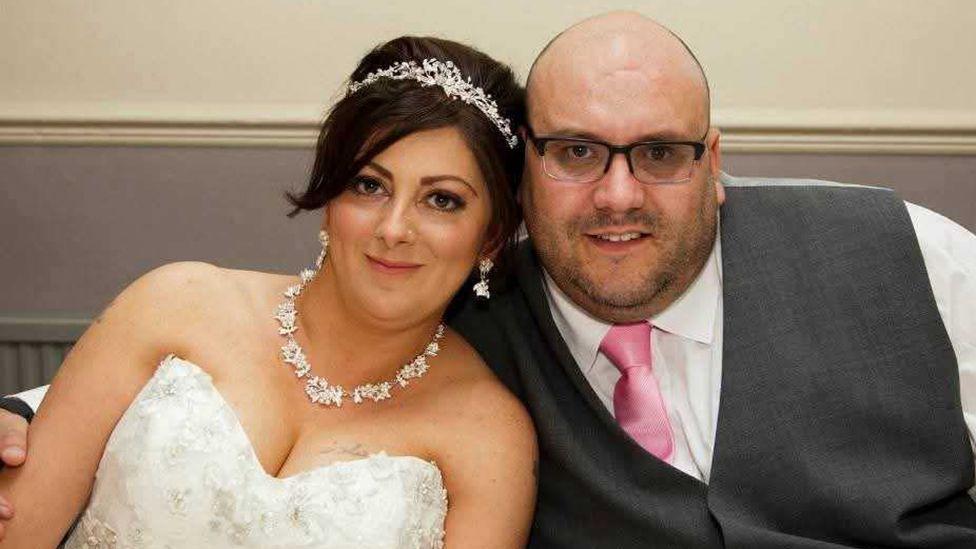
Gem persuaded Dan to take a mental health assessment—and he began to get the expert help he needed.
In 2014 he agreed—together with his therapy and attempts to manage the condition—to do something he thought he would never do: return to Edgware Road.
When the day came, Dan sat outside the station experiencing flashbacks and hearing the sounds of 7/7 again: screams, shouting, and sirens.
He and Gem pressed on. As they entered the ticket hall, there were more flashbacks.
The station manager and staff were expecting him and asked if he wanted to go down to the platform. Dan said it was a "bridge too far". Gem insisted they all go together.
When they reached the platform, a train pulled in. Dan began to feel sick. But the train quietly moved on without incident—and by the time a third train had arrived, he found the courage to board it.
I feel really, really sick. I'm sweating. She's crying. I'm tensing, waiting for a blast. I'm waiting for that big heat and that pressure to hit me.
And then the train stopped at the point in the tunnel where the bomb had gone off—an arrangement between the driver and the station manager.
They had stopped the train exactly where I had been lying. I remember looking down at the floor, and it was a really weird feeling—knowing that my life had really come to an end there.
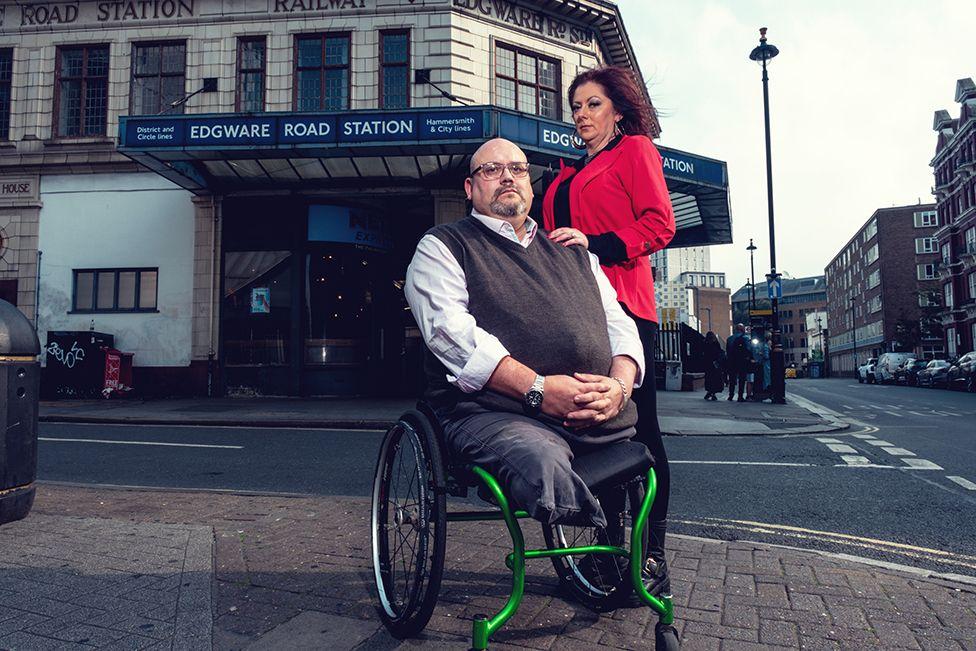
As the train pulled away, something inside Dan urged him to get off at the next station and move forward with his life.
"I'm going to leave the station, I'm going to do whatever I'm going to do today, and then I'm going to marry this amazing, beautiful woman," he says. The two tied the knot the following year.
Eleven years later, Dan feels compelled to do something positive with his life.
He now runs his own company helping disabled people find employment—a professional journey he might never have undertaken had it not been for the bomb.
He still has flashbacks and bad days, but he's finding ways to manage them—and has published a book about what he has been through.
I'm very lucky to still be alive. I've paid an immense, enormous price. I'll just keep fighting every day to make sure that he and his actions never win.
A list of organizations in the UK offering support and information regarding some of the issues in this story is available at newsrealtime Action Line
More weekend picks
- A preacher asked me out. When I turned her down, the stalking began
- Mood swings fueled Heston Blumenthal's genius. But the highs got higher and the lows got darker
- Women share their bittersweet experiences after taking weight-loss drugs