Carrying cash by plane is not illegal, but it can still land travelers in difficult situations.
In Atlanta, a man heading to Los Angeles with more than $8,000 for a music video said the DEA took his money at the airport gate, even though he wasn't charged with a crime.
It took him years of legal battles and thousands in attorney's fees to finally get his money back. His case is one of many that have raised questions about how cash is treated by federal agents at airports.
In 2024, the DEA suspended one program used in airport seizures, but other federal and local law enforcement agencies are still allowed to use a practice called civil asset forfeiture.
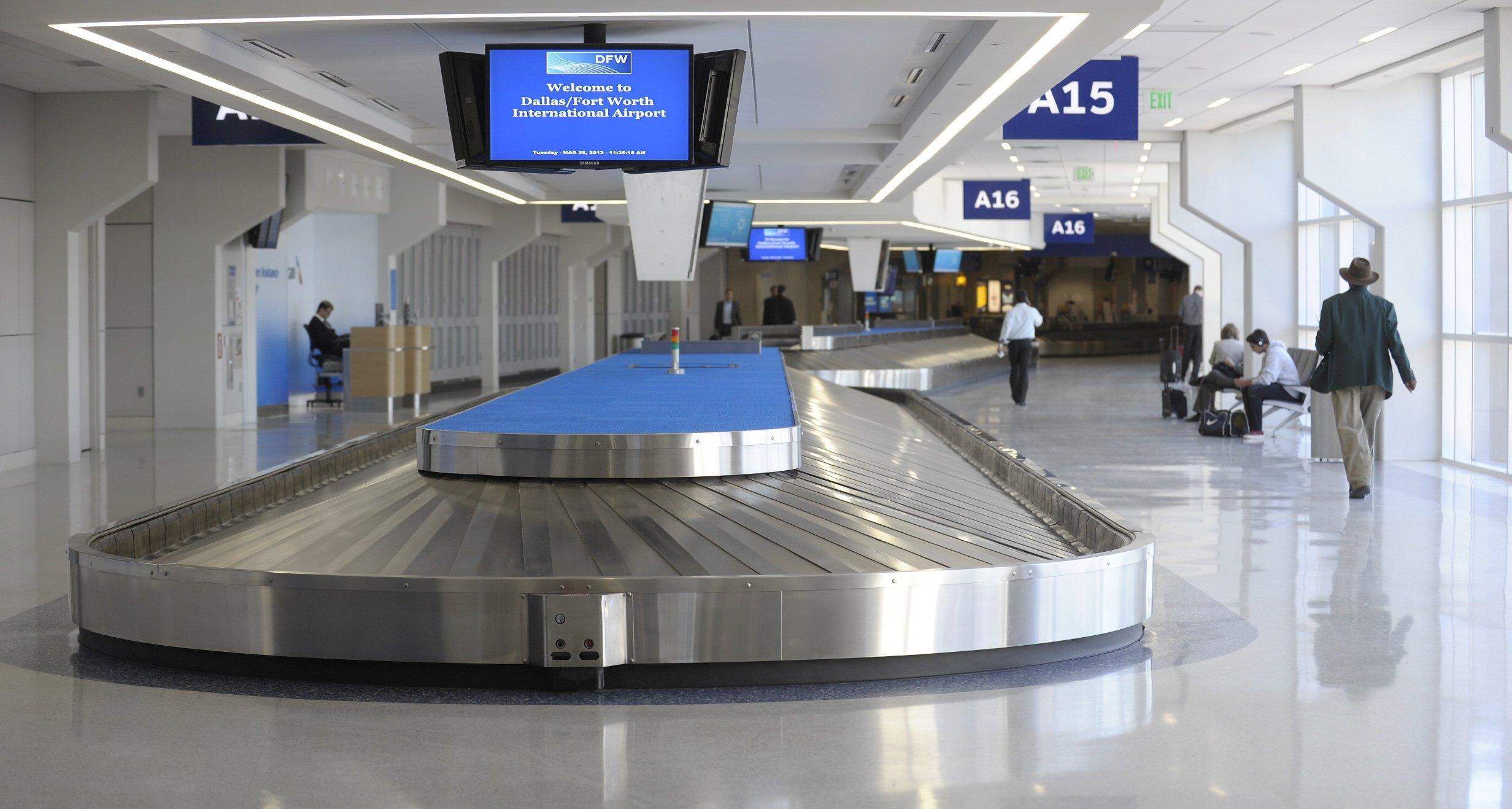
That includes Texas, where police and prosecutors continue to use forfeiture laws , meaning travelers out of DFW International Airport or Dallas Love Field could face the same risks. Here's what you need to know.
⚡ More trending stories from our newsroom:
→ Why is flea-borne typhus back in TX
→ Two best friends run Fort Worth's best ice cream shop, readers say
→ Have you heard of the deadly "kissing bug" disease?
→ Every time 'King of the Hill' season 14 referenced North TX
Is there a limit to how much cash I can carry on a domestic flight?
There is no federal law that limits the amount of cash you can carry on a domestic flight.
You could legally walk through security with $100 or $100,000. TSA's role is to screen for threats For flight safety, not to police how much money you carry.
But that doesn't mean flying with a large sum will go unnoticed. Travelers carrying visible stacks of cash may draw attention and could be referred to law enforcement if screeners suspect criminal activity.
What about international flights?
The rules change if you are leaving or entering the United States. Federal law requires you to declare amounts over $10,000 to U.S. Customs and Border Protection (CBP) .
That includes cash, money orders, cashier's checks, and traveler's checks.
Failure to declare can lead to seizure of your money, hefty fines, and even criminal charges. If you're carrying $12,000 and you only declare $9,000, you're still in violation.
What happens if my money is seized at a Texas airport?
While carrying cash is not illegal, law enforcement can seize it if they suspect it's connected to crimes like drug trafficking or money laundering. This is known as civil asset forfeiture , a process that Let the police seize property without requiring an arrest or conviction.
Getting seized money back can take months or years and often requires hiring a lawyer. In some cases, the legal fees exceed the amount of cash originally taken.
Seizures have been reported at major Texas airports including Love Field and George Bush Intercontinental Airport in Houston .
What should you do if you need to fly with cash?
If you have no choice but to carry a large sum of money, there are steps you can take to reduce the risk of having it seized. According to the Varghese Summersett law firm , which handles civil forfeiture cases in Texas, travelers should keep a few things in mind:
- Travel light when possible. If possible, avoid carrying large amounts of cash at all. Banks, wire transfers, and cashier's checks are safer alternatives and less likely to raise suspicion.
- Keep it stored plainly, not hidden. Don't tuck money into secret compartments or packaging that looks unusual, like plastic baggies or rubber bands. Hiding it makes law enforcement assume you're trying to conceal illegal activity.
- Tell the truth if asked . Lying about how much money you are carrying can hurt you if it ends up in court. It is better to be upfront.
- Bring proof of where it came from . If you just withdrew the money from the bank, carry the receipt. It helps show the cash has a legitimate source.
- Know your itinerary Know your travel plans and be prepared to explain where you're going and who you're staying with. Vague answers can give officers more reason to doubt you.



0 komentar:
Posting Komentar